
Neurodiversity Presentations and Resources.
Neurodivergence is often discussed through categories or traits, but it can also be understood through patterns in how the nervous system senses, processes, and responds to the world. These patterns shape not only behavior, but experience: what feels manageable, what feels overwhelming, and what supports a sense of safety, security, and connection.
This presentation offers a practical framework for understanding neurodivergence through sensory processing and patterns of response. Beginning with foundational context and moving into application, the content highlights how these differences can be recognized, supported and engaged more effectively across settings.

Contextualizing Neurodivergence
Chapter One: Orient
8 minute summary
Sensory Processing Sensitivity (SPS)
A common trait that offers a gateway into understanding neurodivergence through patterns of nervous system response to overwhelm.
“Neurodivergent nervous systems often operate with a different threshold for overwhelm, meaning that experiences that might not register as traumatic for others could still have a significant impact.”
— Sara C Levi, LCPC

Connecting with Neurodivergence
Chapter Two: Bridge
6 minute summary
Polytropic and Monotropic Orientation
An introduction to how patterns of attention and processing connect to experiences of safety, security, and being seen.
Chapter Three: Apply
3 minute summary
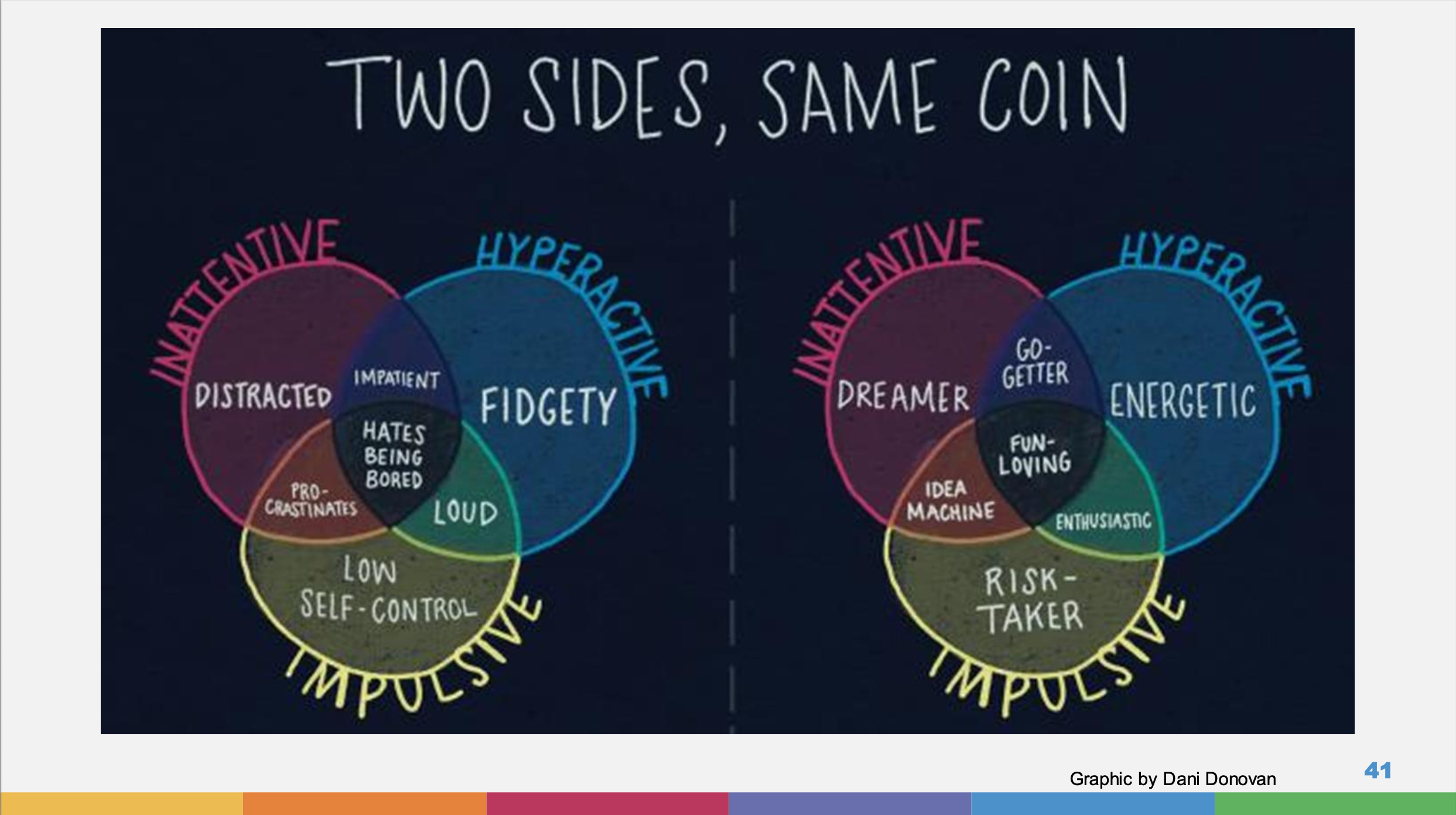
Seeing Both Sides
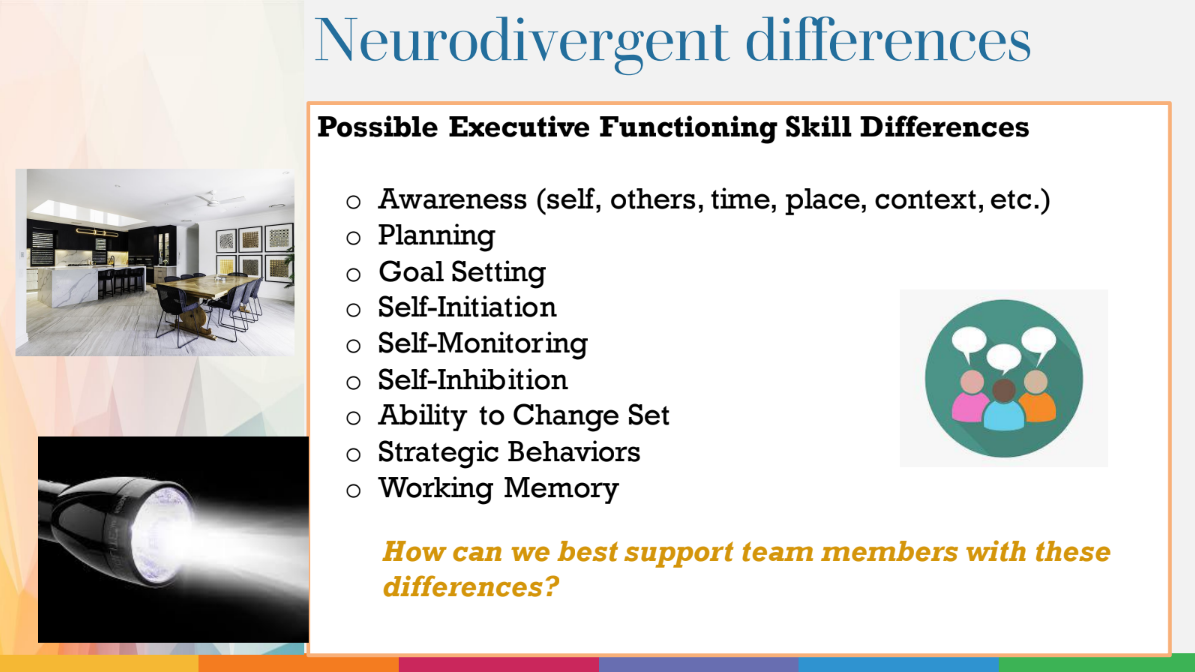
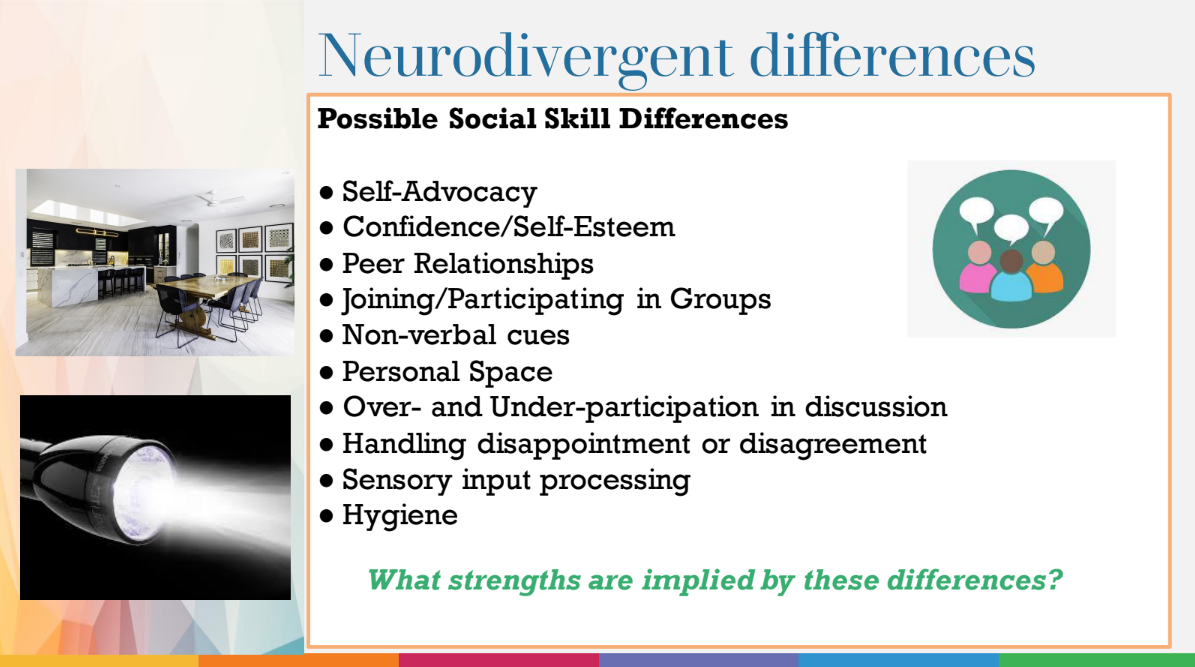
Applying this framework to executive functioning and social differences to better understand and engage monotropic processing.

Key Takeaways
One in Five Carry this Trait
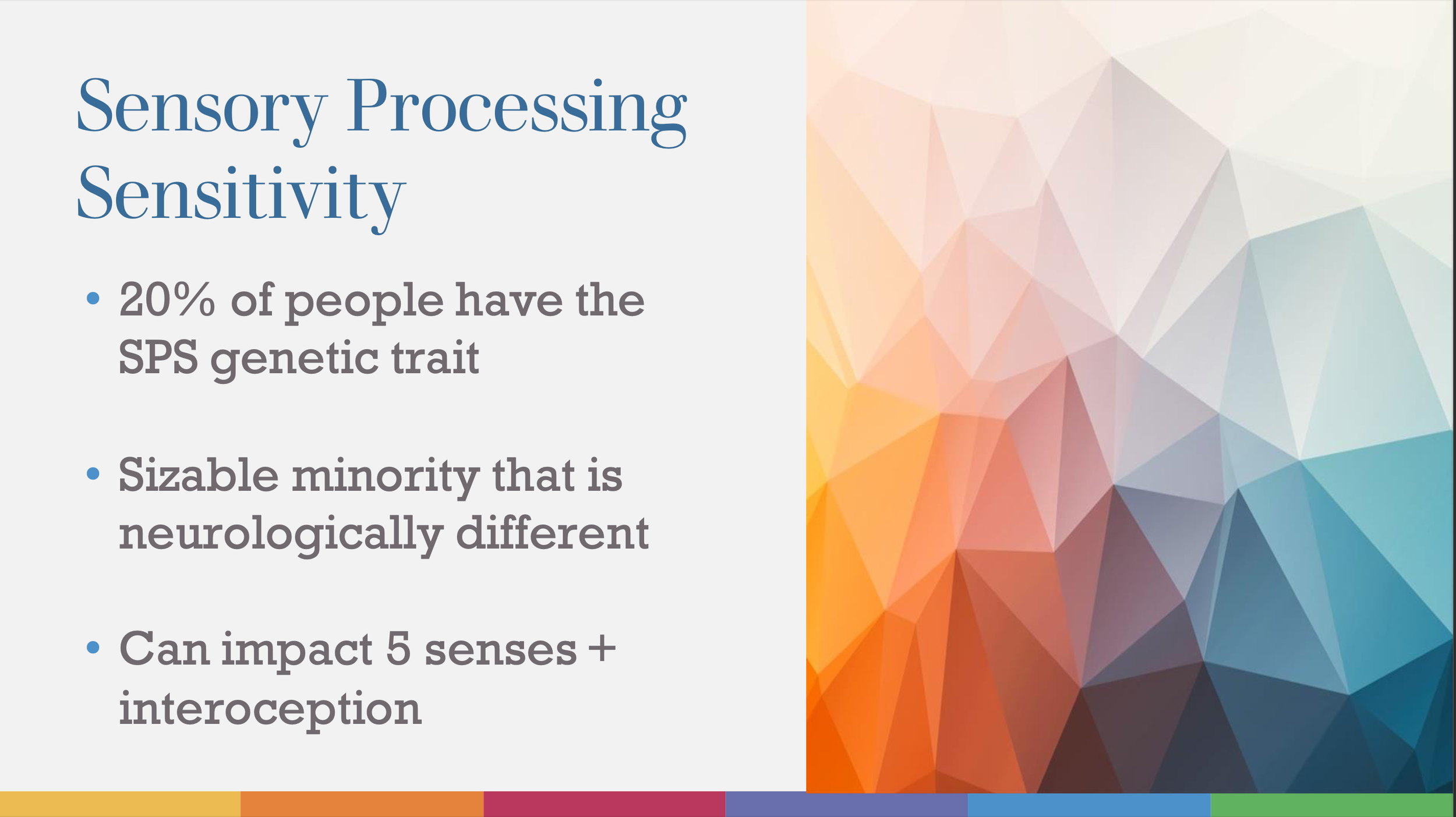
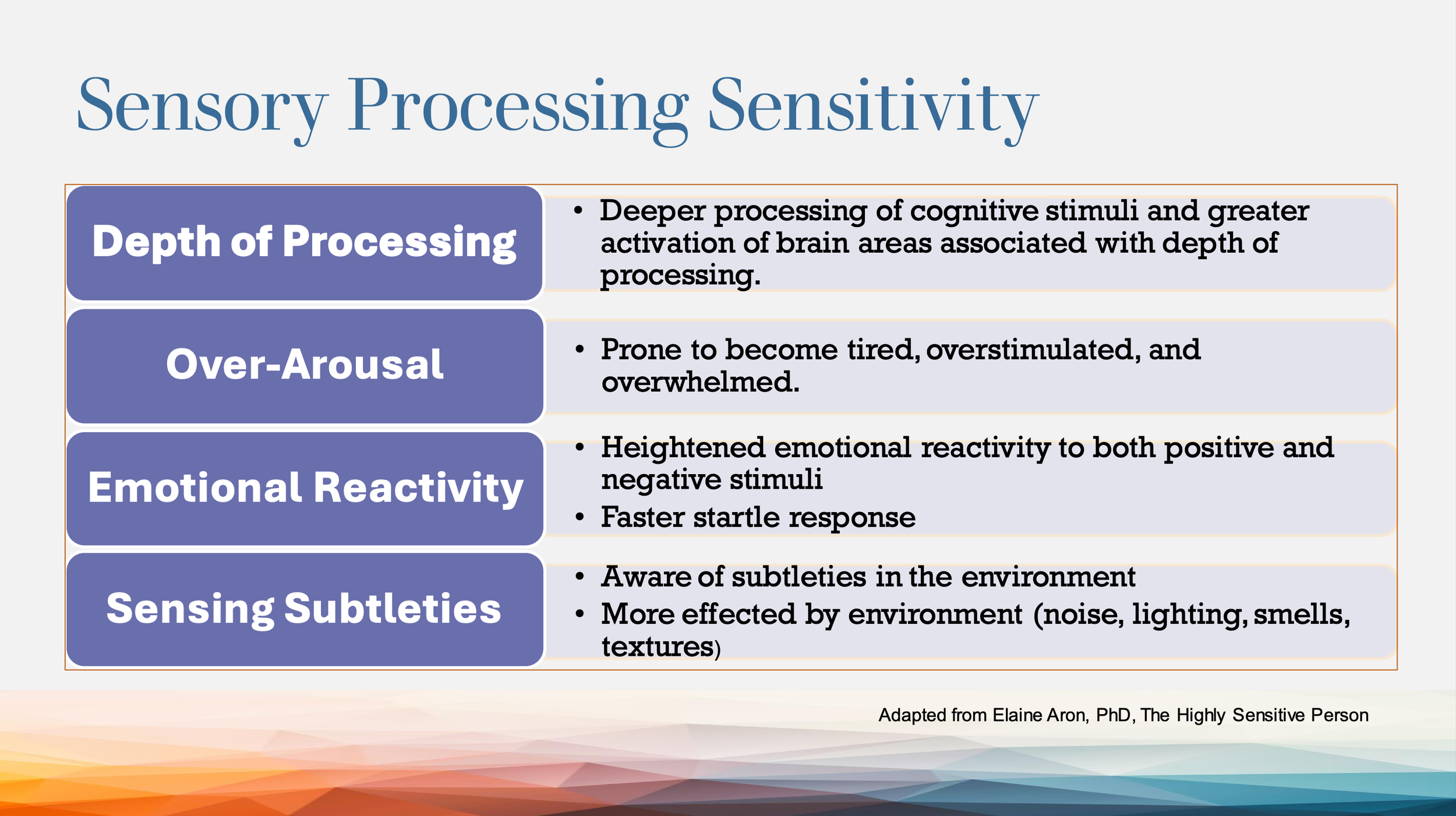
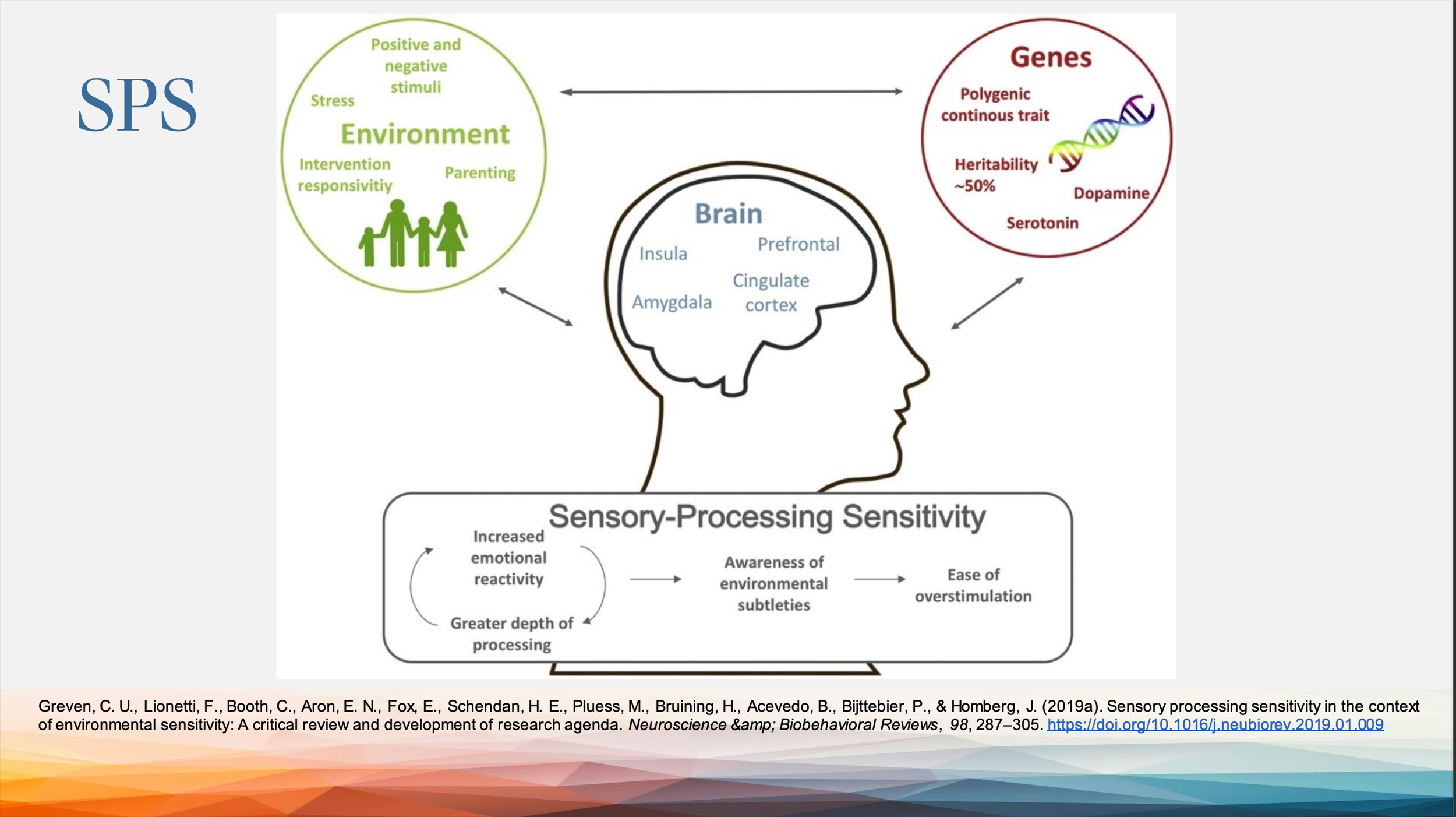
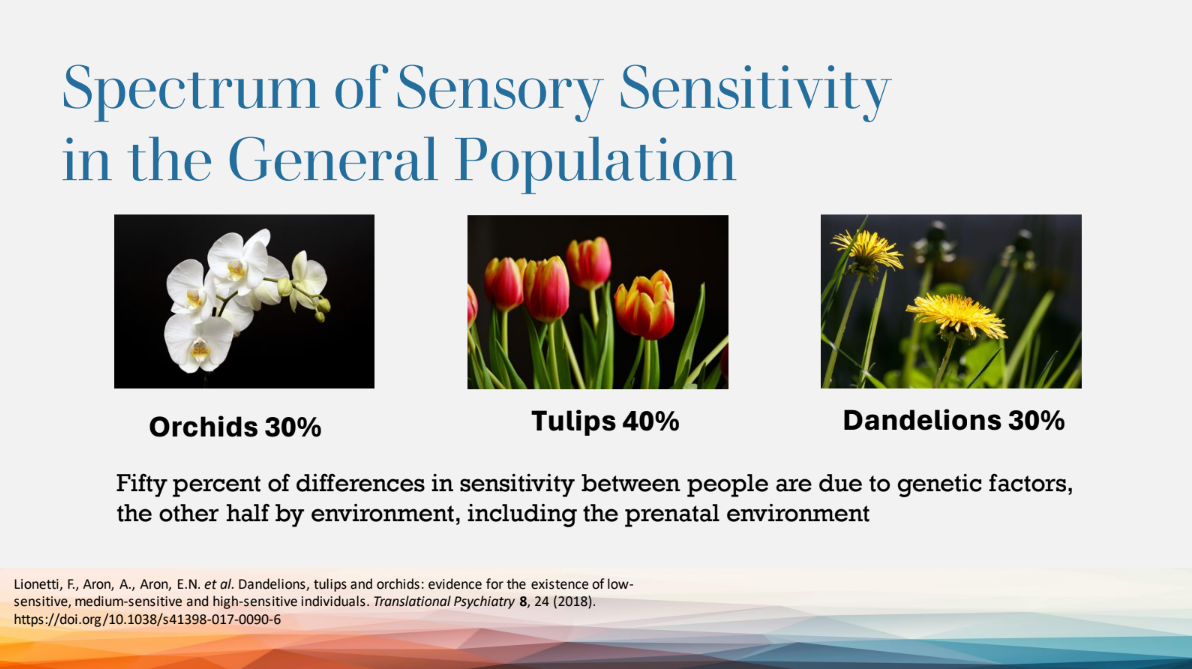
About 20% of people have Sensory Processing Sensitivity (SPS), a genetic trait that intensifies how input is experienced and processed. It is associated with deeper processing, heightened emotional responsiveness, over-arousal and increased awareness of subtleties.
SPS is not a disorder, but it often underlies and co-occurs with other forms of neurodivergence. Neurodivergent individuals may experience sensing, processing, thinking, feeling, and interoception differently from neurotypical peers.
The heightened sensitivity can lower the threshold for what registers as overwhelming and traumatic, contributing to dysregulation and automatic efforts to restore the sense of safety and security.
Sensory Flow and Equilibrium
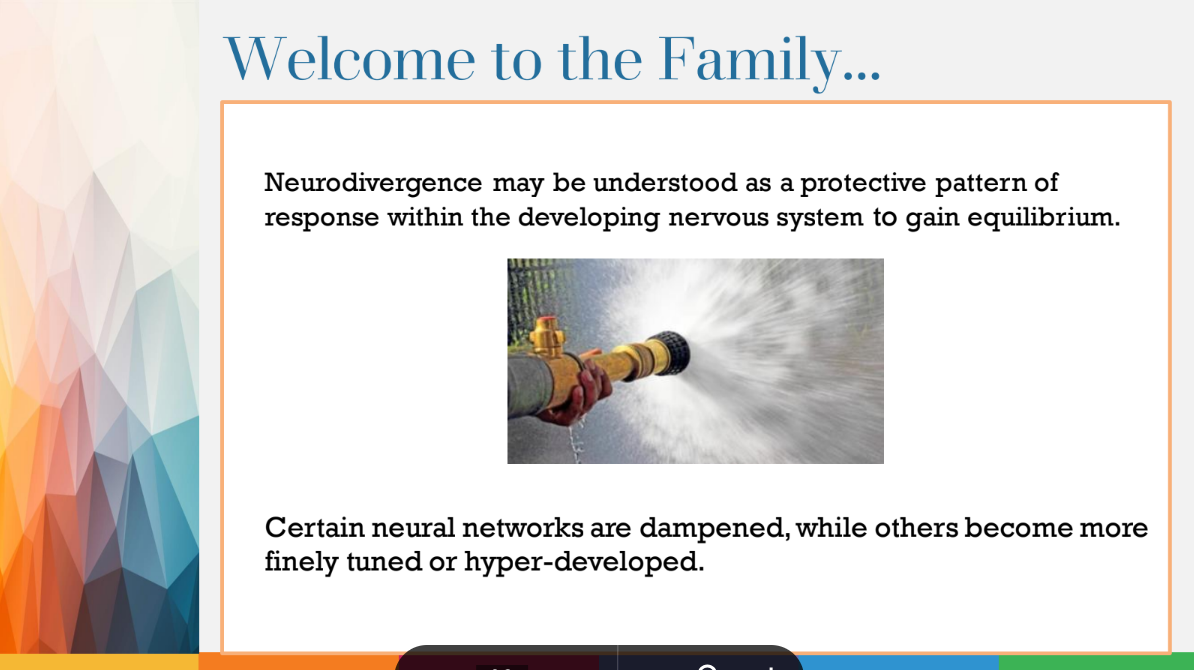
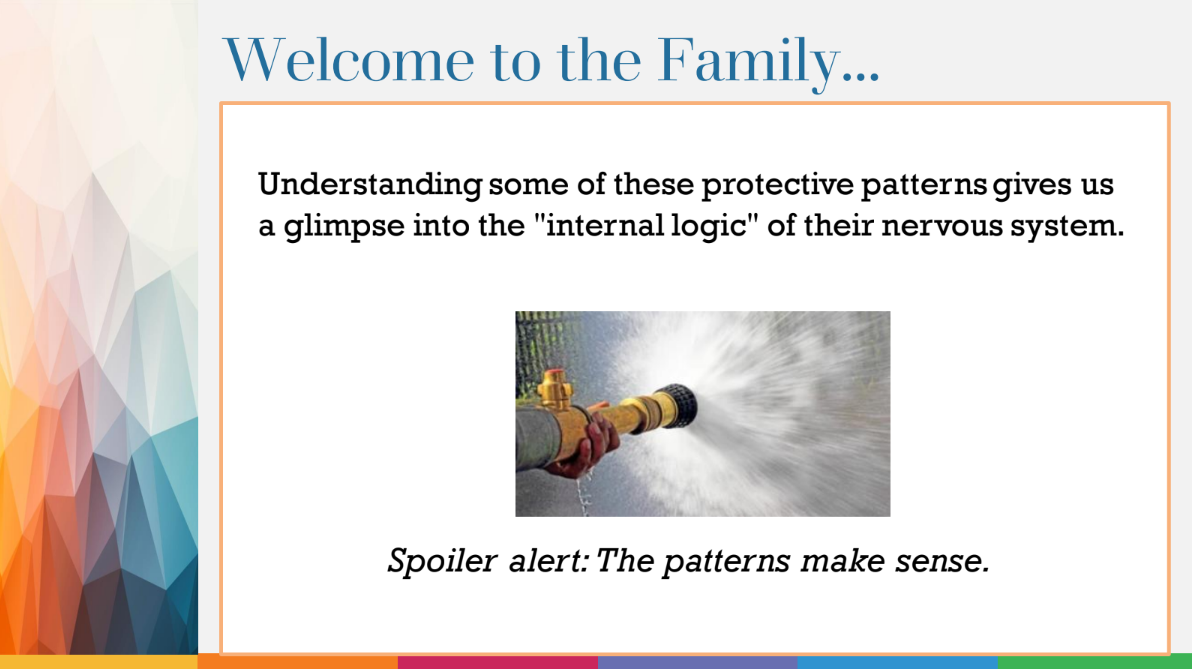
Interoception—the ability to sense internal states such as hunger, tension, or emotion—may be heightened or dampened as the nervous system works to maintain balance while already near capacity. This can show up as ongoing efforts to regulate input, maintain equilibrium, or signals that a saturation point is approaching.
While this sensitivity can increase vulnerability to overwhelm, it also supports depth of processing, awareness of nuance, and capacities often linked to creativity and innovation. Heightened sensitivity is both a challenge and an asset, enhancing receptivity to supportive environments and connection.
Designing with this 20% in mind—by offering flexible options and gathering early feedback—can improve outcomes without requiring self-identification or disclosure, ultimately benefiting everyone.
↓ Click Through Slides ↓
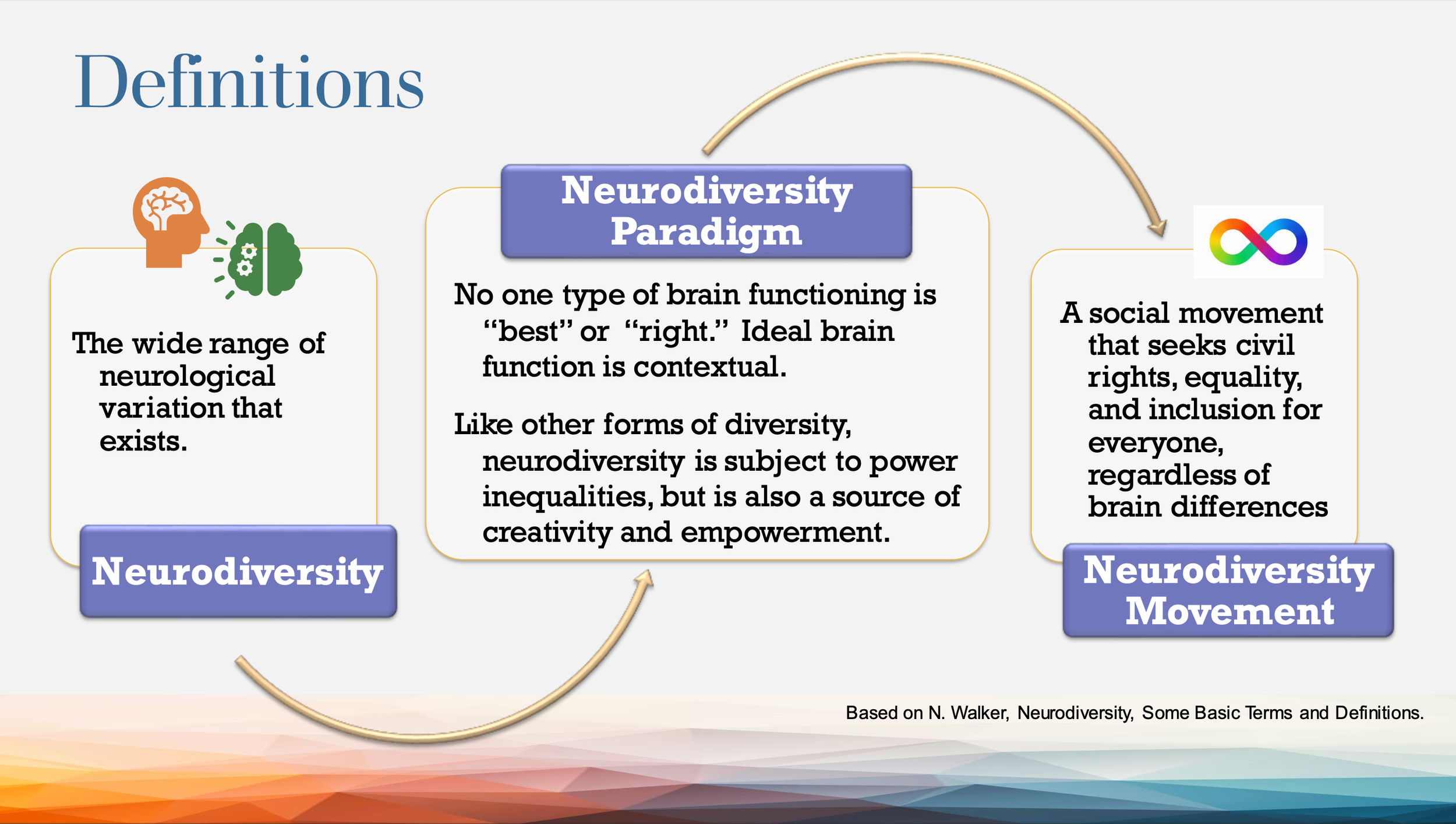
Adapted from original presentation at Moraine Valley Community College (2024) on neurodiversity, sensory processing, and patterns of responses across educational and workplace settings.
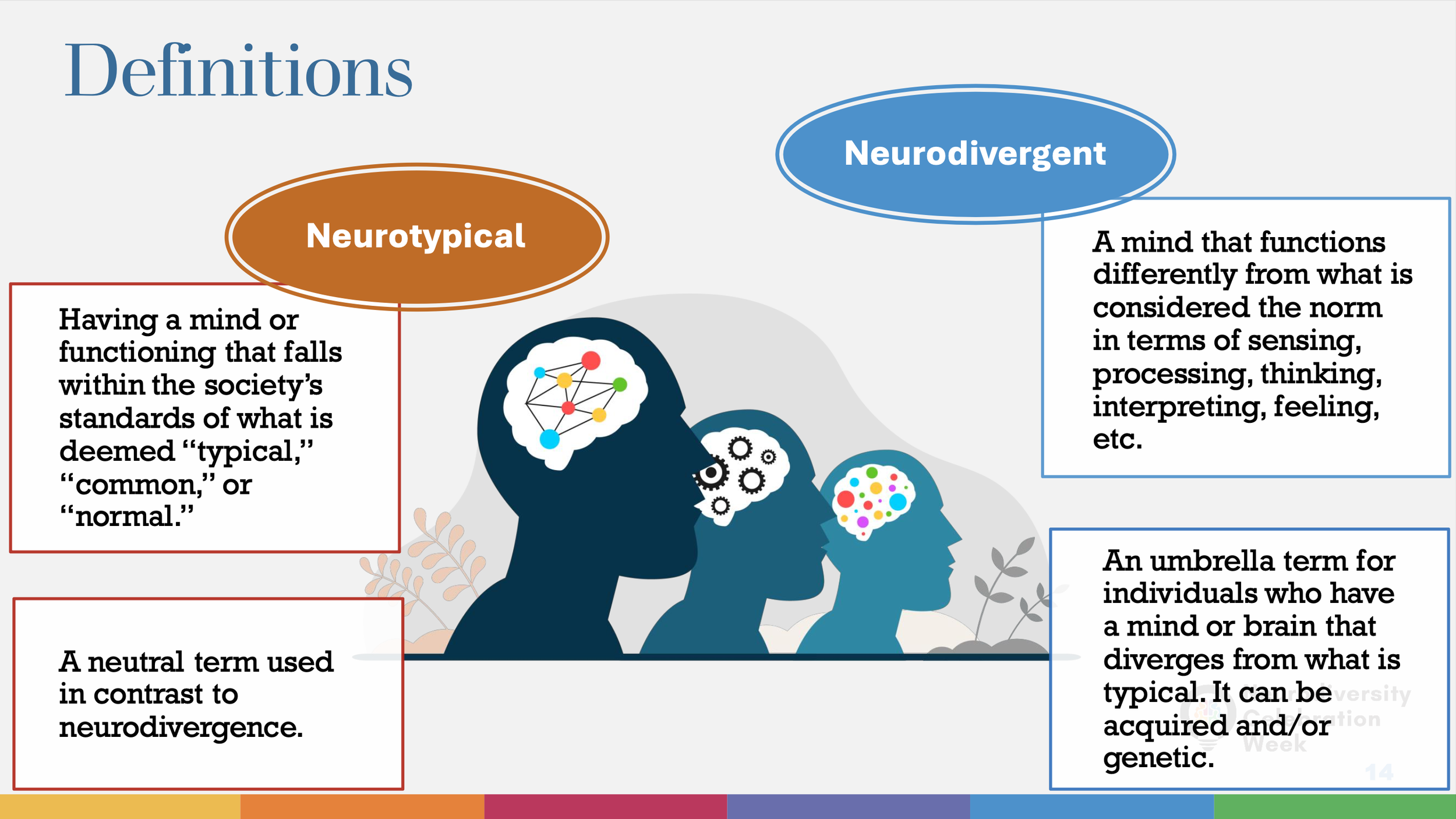
Adapted from original presentation at Moraine Valley Community College (2024) on neurodiversity, sensory processing, and patterns of responses across educational and workplace settings.
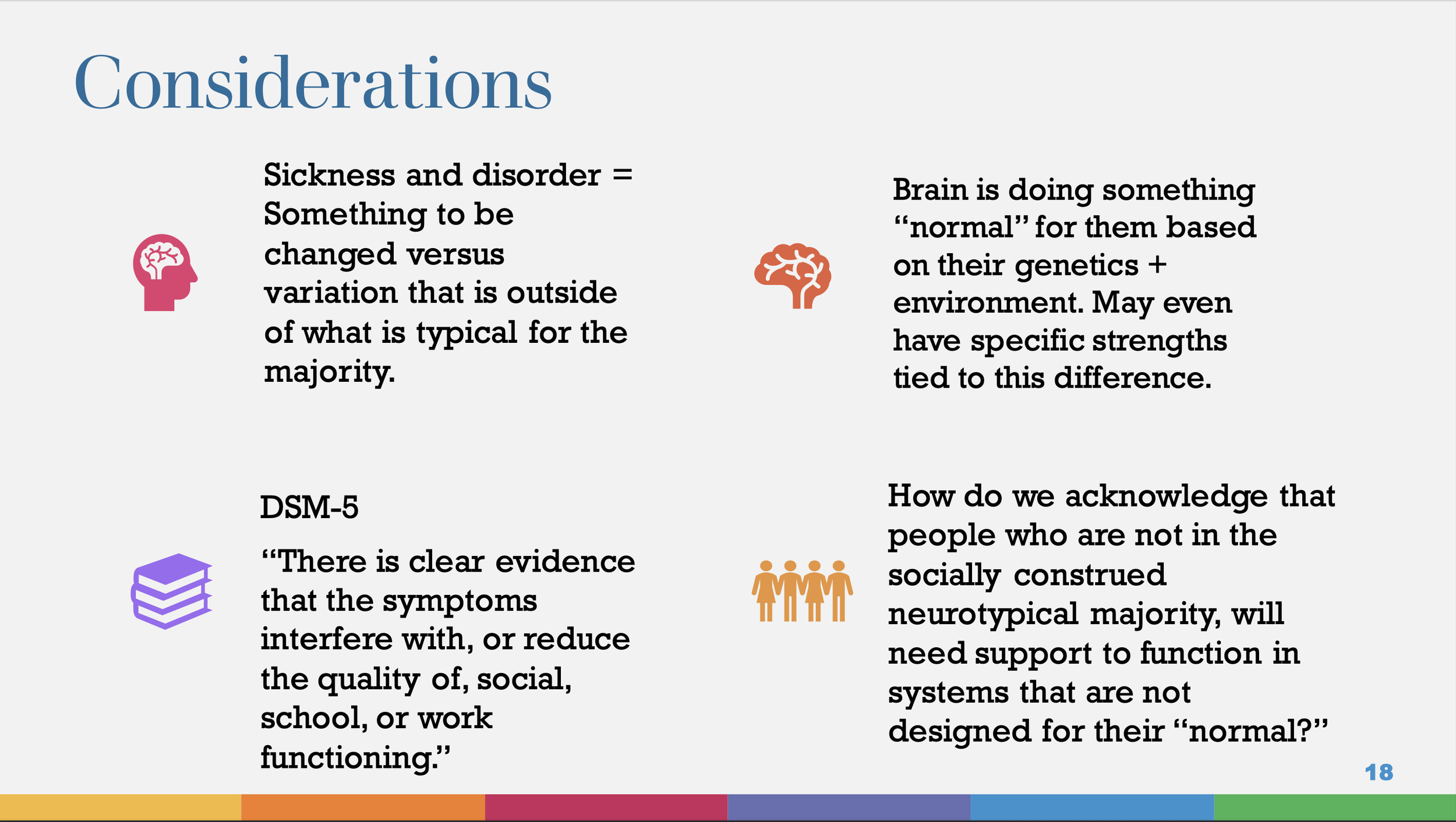
Adapted from original presentation at Moraine Valley Community College (2024) on neurodiversity, sensory processing, and patterns of responses across educational and workplace settings.
Adapted from original presentation at Moraine Valley Community College (2024) on neurodiversity, sensory processing, and patterns of responses across educational and workplace settings.
Adapted from original presentation at Moraine Valley Community College (2024) on neurodiversity, sensory processing, and patterns of responses across educational and workplace settings.
Adapted from original presentation at Moraine Valley Community College (2024) on neurodiversity, sensory processing, and patterns of responses across educational and workplace settings.

Adapted from original presentation at Moraine Valley Community College (2024) on neurodiversity, sensory processing, and patterns of responses across educational and workplace settings.
Adapted from original presentation at Moraine Valley Community College (2024) on neurodiversity, sensory processing, and patterns of responses across educational and workplace settings.
Adapted from original presentation at Moraine Valley Community College (2024) on neurodiversity, sensory processing, and patterns of responses across educational and workplace settings.
Adapted from original presentation at Moraine Valley Community College (2024) on neurodiversity, sensory processing, and patterns of responses across educational and workplace settings.
Adapted from original presentation at Moraine Valley Community College (2024) on neurodiversity, sensory processing, and patterns of responses across educational and workplace settings.
Adapted from original presentation at Moraine Valley Community College (2024) on neurodiversity, sensory processing, and patterns of responses across educational and workplace settings.
Adapted from original presentation at Moraine Valley Community College (2024) on neurodiversity, sensory processing, and patterns of responses across educational and workplace settings.
Adapted from original presentation at Moraine Valley Community College (2024) on neurodiversity, sensory processing, and patterns of responses across educational and workplace settings.