
Suicide Prevention - Crisis Response Presentations & Resources
How do our past experiences “show up” during moments of crisis? This question might seem unimportant when we are struggling to manage circumstances and our responses in the current moment. We know that shapes the brain’s interpretation of events in the current moment and the experience of “being seen” is crucial to helping ourselves and others in moments of crisis. Let’s consider how we can Be the One.
We each have an internal survival system that shapes how our brain and body will instinctually read and respond to perceived threats. What we have experiences that threatened to outstrip our resources shape the trajectory of who we become over a lifetime.
This survival system is also outward facing. It shapes how we will interact with others around an issue of threat.
Reframing suicide prevention and crisis response through the lens of
Insert top slide here

Contextualizing Neurodivergence
Chapter One: Orient
8 minute summary
Sensory Processing Sensitivity (SPS)
A common trait that offers a gateway into understanding neurodivergence through patterns of nervous system response to overwhelm.
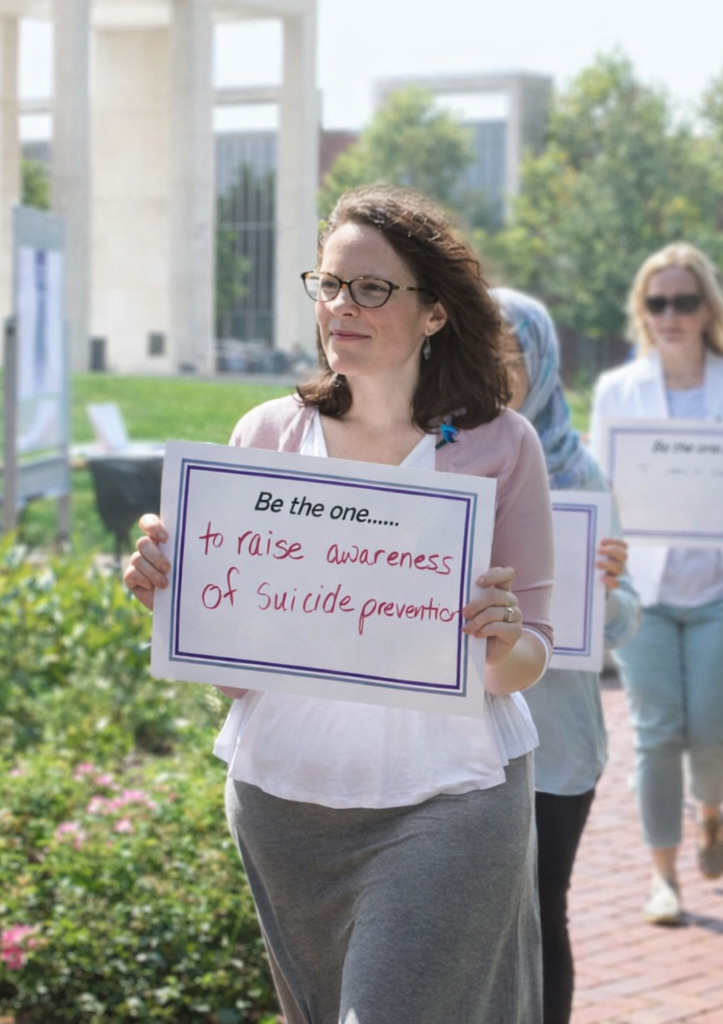
What matters most to a person in crisis is not the cues received that speak the language of reason and logic, but the contagious spark of a resourced feeling in our body that we are seen and secure.”
— Sara C Levi, LCPC, PEL

“Every detail was thoughtfully executed. We'.”
— Former Customer












Consider how you might access your own spark of feeling safe, secure, seen, and soothed and be the one to share it with someone who needs to feel this too. The threat signals that activate a crisis can truly contagious, but so are the resource signals of connection, care and hope. Our brains are exquisitely tuned to and drawn toward the felt sense of being seen in a way that tells us we are not alone.
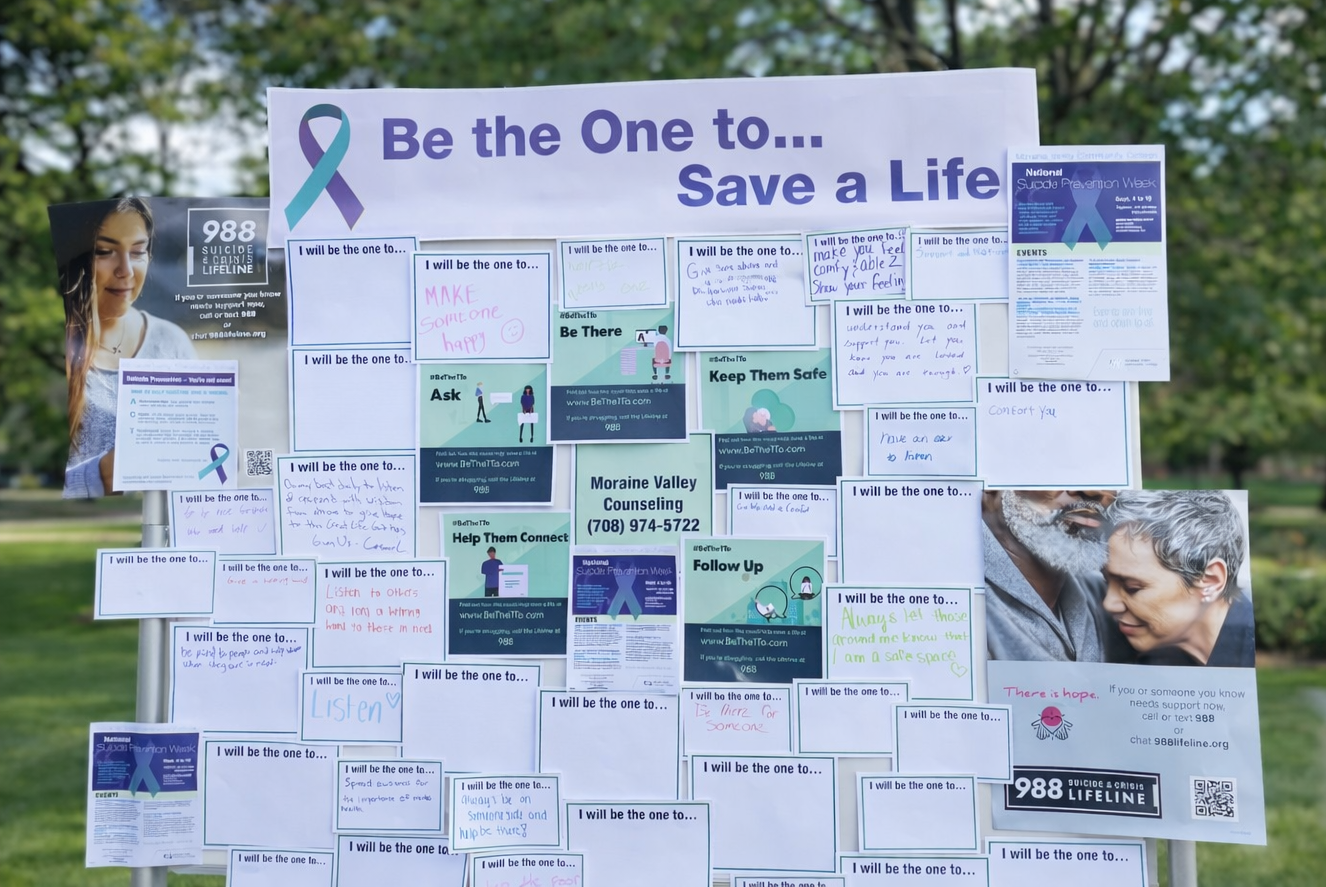
Be the One


Client
The Atlas Project
Year
01/01/0001
Year
01/01/0001
Client
The Echo Project